Building a National Food Strategy for Aotearoa New Zealand
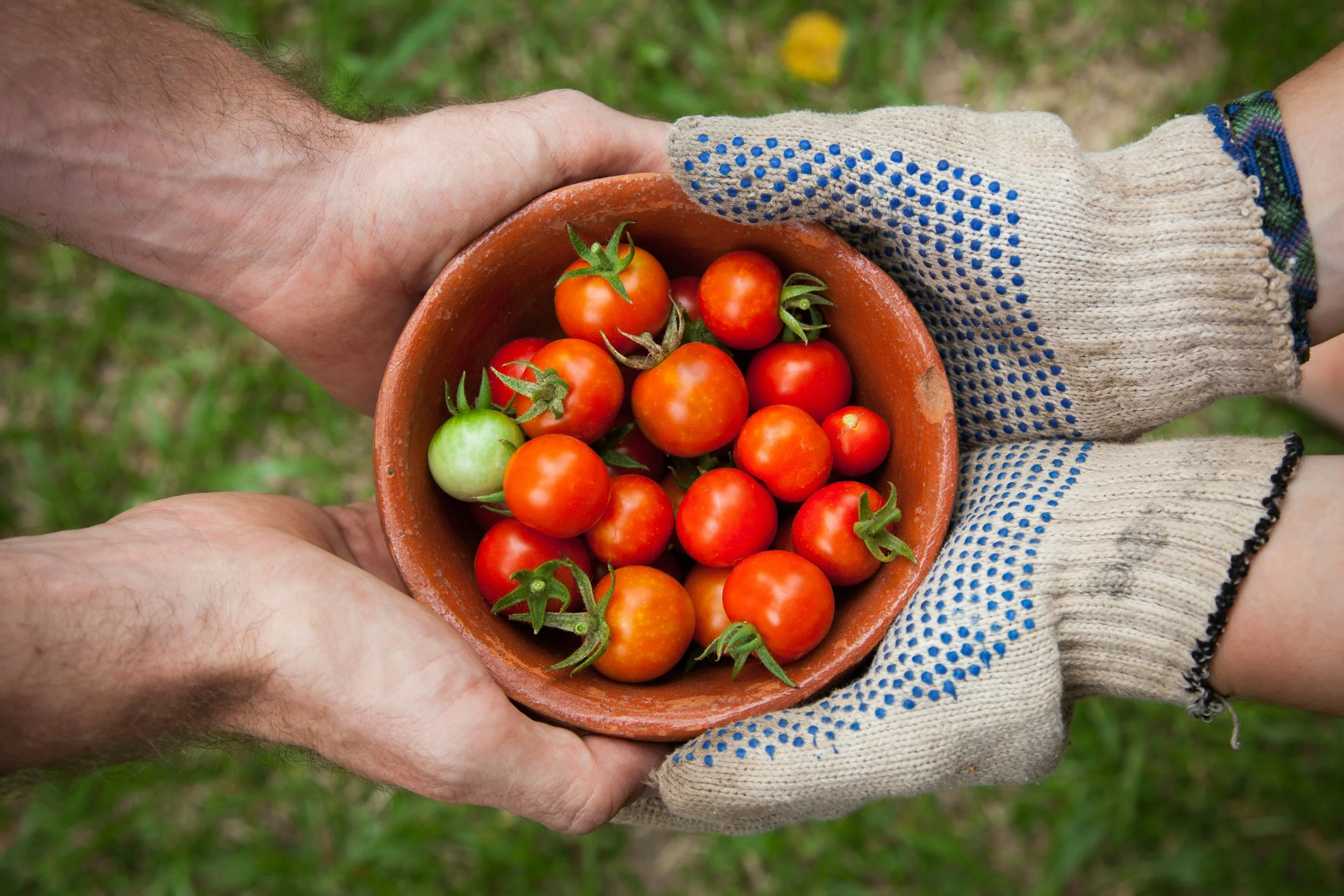
World Food Day invites us to pause and reflect on how we feed ourselves and each other. The 2025 theme, “Hand in Hand for Better Food and a Better Future,” reminds us that food systems are at their best when a whole of society approach has been committed to.
In Aotearoa New Zealand, that invitation lands with resonance. We have extraordinary growing conditions, world-class producers, and deep cultural knowledge about how to care for land and people through kai. Yet our ability to feed ourselves well is increasingly uncertain. While kai is central to our identity, there is currently no shared plan to ensure that everyone can access enough affordable, nutritious, locally grown food.
-
The use of the word ‘food’ tends to lead us towards treating that as a commodity. In Aotearoa, the use of the word ‘kai’ leads us beyond the commodity and into a relationship with people, environment, the food itself, and the deep sense of kaitiaki we experience through those relationships.
The coordination, direction, and shared accountability we lack are precisely what a national food strategy could deliver.
As global food systems face increasing disruption due to human-induced climate change, market volatility and conflict, there is an opportunity before us to adapt and design a food future that is just, healthier, and more resilient for generations to come. Indigenous people would say this is a return to what they once had.
A missing framework
Across the world, some governments are now recognising that food systems sit at the intersection of climate, health, and economy:
· Scotland’s Good Food Nation Act embeds the right to food and requires public bodies to plan for it.
· Canada’s Food Policy ties agriculture, trade, and public health together through one framework.
· The EU’s Farm to Fork Strategy rebalances production and consumption to protect ecosystems while improving access to healthy food.
Aotearoa New Zealand, by contrast, still relies on fragmented policy and short-term fixes. Hapū, Iwi, food relief networks and community organisations continue to innovate locally to meet their communities’ needs, but the national picture remains reactive rather than transformative.
Why is it that we plan for housing, energy, and transport — but not for the most basic infrastructure of all: how we feed people?
Procurement: the power of what we buy
One of the clearest illustrations of why a strategy matters lies in public food procurement, the way government institutions buy and serve food. This year’s shift in the Ka Ora, Ka Ako Healthy School Lunches Programme, from regional suppliers to centralised multinational contractors, was meant to reduce costs. Instead, it has created waste (an environmental cost), food safety issues (a health cost), and meals that too often went uneaten (a productivity cost) and ultimately did not meet the customer’s (the tamariki) satisfaction. In addition, it created unemployment and loss of revenue for local businesses who had been supplying meals, some even closing as a result.
That decision exposed how fragile our food system becomes when short-term efficiency outweighs a wider strategic approach including community connection and values to guide us, such as the rangatiratanga and whanaungatanga that ground good food systems together.
A well-designed and whole of society approach to a national food strategy could ensure that procurement policy strengthens local economies, supports local businesses, and builds nutrition and connection into every meal served in a public institution.
Internationally, the evidence is clear. In Brazil, at least 30 percent of school-meal ingredients must come from local smallholder farmers. In Wales, public institutions are reshaping supply chains to buy directly from regional producers, creating shorter, more transparent systems.
These examples show that well-crafted, well-resourced policy can embed community values into practice; turning care, fairness, and local connection into everyday operating standards. It also demonstrates where value lies.
Re-indigenising our food systems
To create a national food strategy in Aotearoa New Zealand, we must first confront a truth: most of the food grown here comes from land that was stolen. Māori did not cede sovereignty and continue to face higher rates of food insecurity than Pākehā because of ongoing colonisation and the resulting structural disconnection from whenua, decision-making, and the power to define how food is produced and shared.
Decolonising our food systems means restoring that relationship by centering Kai Motuhake | Māori food sovereignty as both a right and a responsibility. It means honouring Te Tiriti o Waitangi by ensuring Māori governance and leadership in shaping national food policy, recognising that Indigenous models of care for whenua, wai, and kai offer the blueprint for resilience we urgently need.
Embedding Kai Motuhake into a national food strategy would ground decision-making in values that have long sustained this land; tauutuutu, kaitiakitanga, and whanaungatanga.
Moving towards reindigenised food systems can facilitate greater food resilience and food justice for all in Aotearoa New Zealand.
A mandate for resilience
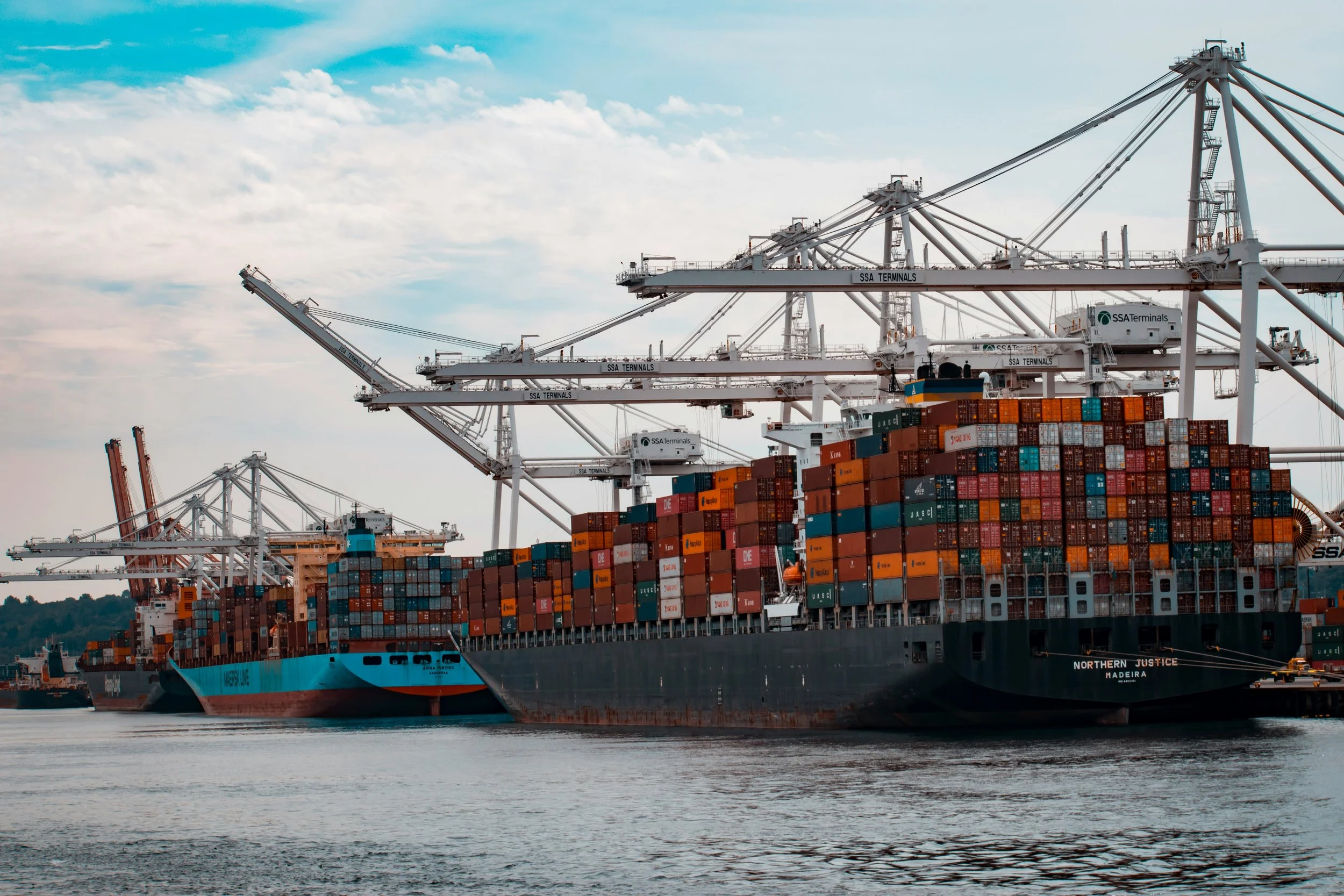
Reports like the EAT–Lancet Commission and outcomes from the UN Food Systems Summit make clear that current patterns of global food production and consumption are unsustainable. However, these reports also fail to address the corruption, land-grabbing, and corporate control that excludes Indigenous people from fully participating in and designing their own autonomy over lands that they hold rangatiratanga on. Local calls for greater “food self-sufficiency” highlight how dependent Aotearoa New Zealand has become on global trade systems that cannot guarantee equitable access at home. Together, they underscore one truth: resilience cannot be outsourced.
There is no single solution to fixing our food system. Collaboration will bring both opportunities and complexities that society must be committed to navigate. Progress will come from the compounding impact of many coordinated actions, aligned under a national framework that places Te Tiriti o Waitangi as central to decision-making and understands that this will be a long, slow process.
Food is infrastructure. Just as we plan for housing, transport, and energy, we need a coordinated plan for food that ensures every person in Aotearoa can access enough nutritious, locally grown kai, regardless of income or postcode.
Transitioning our food system will also depend on recognising and supporting the people who grow and produce our kai and resourcing them to do so through further incentives and investments.
A national food strategy could:
Integrate mātauranga Māori and community-led innovation into national planning and research.
Align policy and investment across health, environment, social development, and primary industries, so our food system strengthens wellbeing instead of reacting to crises.
Create clear procurement standards that favour local, seasonal, and sustainably produced kai.
Support regional food networks that connect growers, producers, and communities.
A national food strategy is about building capability to ensure Aotearoa New Zealand feeds its people first and well, and signals to the world that we value our people and environment, so that we can feed the world from a position of balance rather than depletion.
Hand in hand for a better future
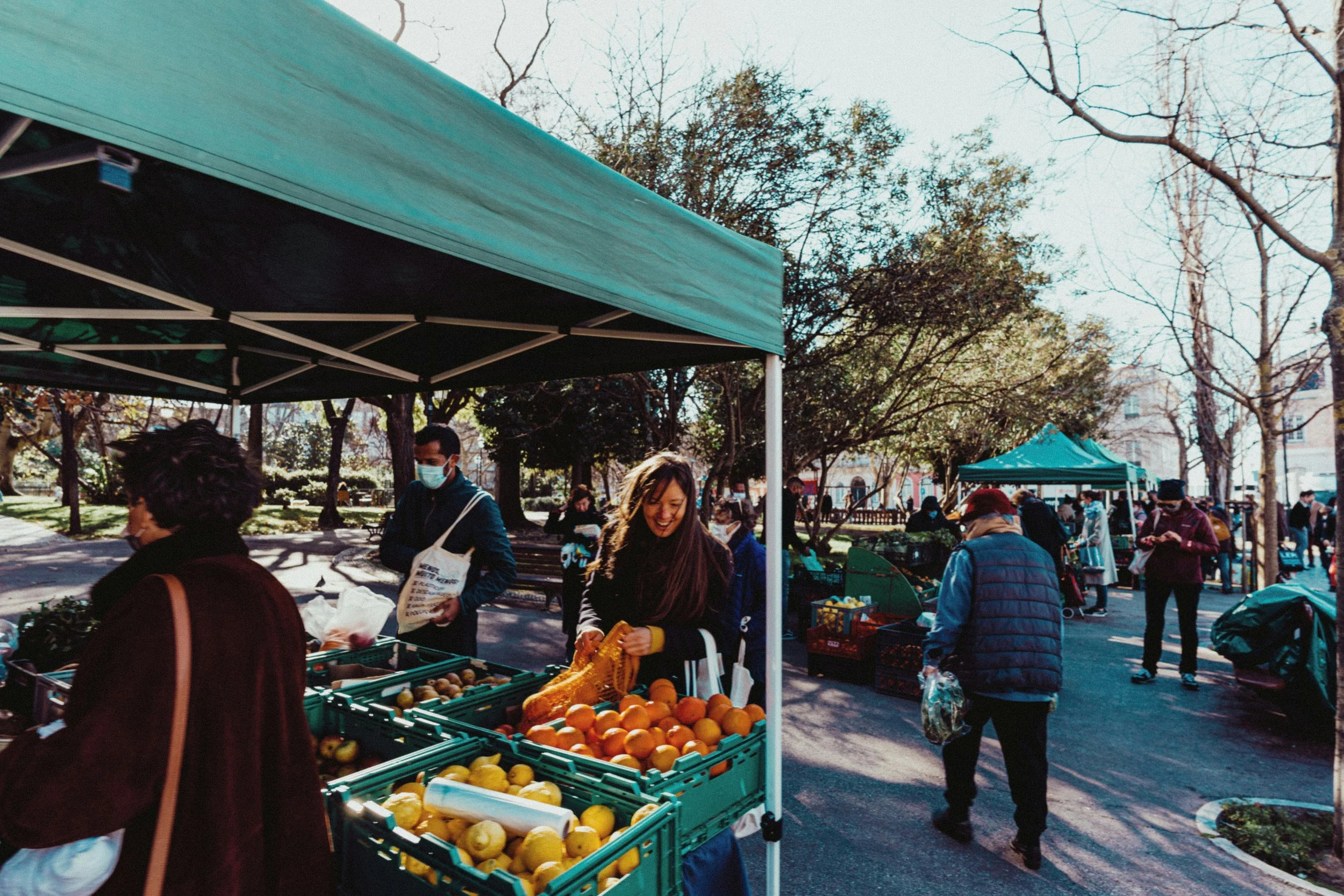
The World Food Day theme - “Hand in Hand for Better Food and a Better Future” - captures what is already true across Aotearoa. From marae kitchens to food rescue hubs, from farmers’ markets to urban māra kai, people are re-imagining how food can nourish both communities and ecosystems.
What’s missing is a national commitment to weave these threads together through kotahitanga to set a shared direction and ensure that the systems designed to deliver kai are fit for purpose in an era of climate change and deepening inequity.
A national food strategy could be that unifying framework. It would allow Aotearoa New Zealand to live up to its promise: a land capable of feeding its people well, caring for the planet, and contributing meaningfully to a fairer global food future.
When we plan hand in hand across government, industry, iwi, and community, better food and a better future is well within our reach.
He kai kei aku ringa – There is food in my hands.