With the cost of purchasing meat for foodbanks rising sharply, The Salvation Army, along with many other community food groups, has been exploring sustainable and safe alternatives to help maintain access to nutritious protein. Obtaining access to wild meat from the generosity of hunters across Aotearoa New Zealand feels like a brilliant way to collaborate to solve part of this problem and to celebrate our Taiao.
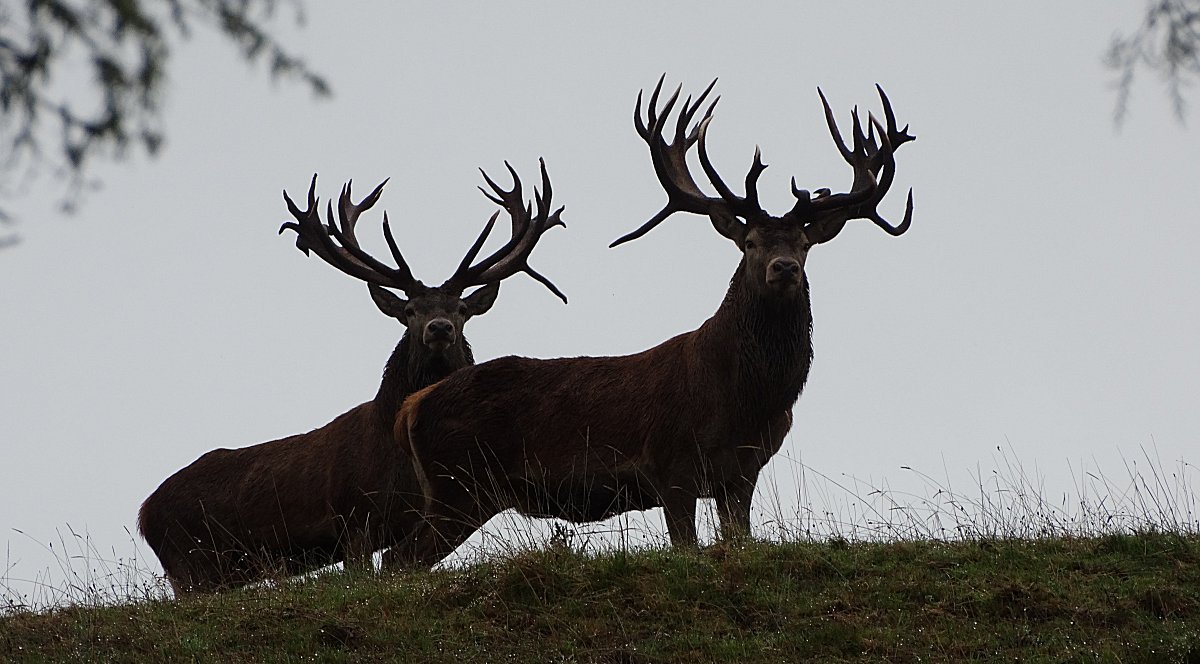
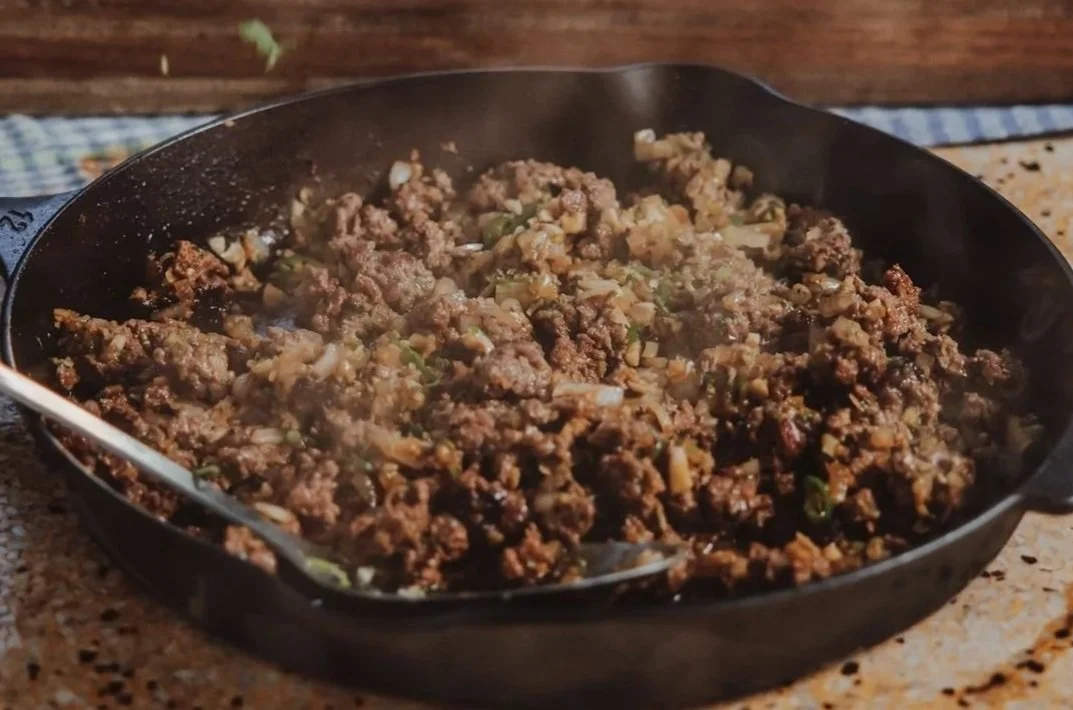
Food Safety is always a high priority. Engaging with Ministry for Primary Industries (MPI) guidance to clarify details around acceptance of recreational catch and home kill donations, including wild game meat, in order to create new opportunities for foodbanks nationwide.
However, these opportunities come with important responsibilities. Wild game meat is not regulated in the same way as commercially processed meat, which means additional food safety risks must be managed. These can include diseases such as tuberculosis or contamination from poison baits. As Sonya Cameron, Food Security Manager at The Salvation Army, explains: “While wild game donations are a valuable resource, they do come with inherent risks. We need systems in place that give us confidence in the safety and traceability of the meat we distribute.”
Recognising this, The Salvation Army is taking a precautionary approach by asking hunters who wish to donate meat to register with donation initiatives listed on Hunt and Share, a free, voluntary platform from the New Zealand Game Animal Council. Hunt and Share has been developed with advice from MPI to provide rigour and traceability. It supports a consistent standard for donated meat and ensures key information about harvesting and handling is captured.
It can be used to support both existing and new game meat initiatives. It includes a guidebook, online hunter training, a donation record database, labelling with QR codes, information for meat donation recipients, and additional resources. All the tools for foodbanks to stay connected to those who have donated their time, skills and meat – as well as staying food safe.
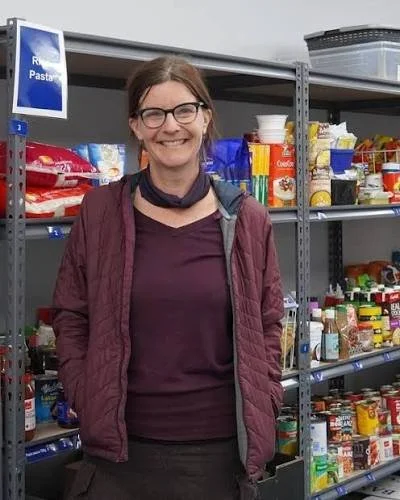
Photo sourced from Salvation Army NZ
The Salvation Army write the batch ID onto the Hunt and Share label for donated meat. This batch ID is also recorded internally against the whānau who receive the game meat. This enables full traceability from bush to plate. Alongside improving food safety, this approach also helps build trusted partnerships with hunters and strengthens community connections, allowing foodbanks to accept and distribute wild game more confidently and offering whānau access to high quality protein.
Thank you to Sonya Cameron – The Salvation Army & Kim Whitwell – NZ Game Animal Council for resourcing this blog post.